
Up to ~30% higher efficiency potential (reported)
Strong performance at low input power (prototype benchmarks)
Adjustable output via eccentric weights (simple regulation)
Eccentric weights generate controlled force as they rotate, creating a usable centrifugal effect.
Linkages transfer the motion into a stable reciprocating drive.
Opposed pistons perform compression/pumping cycles in cylinders.
Output can be regulated by adjusting the eccentric setup and operating speed for different loads.
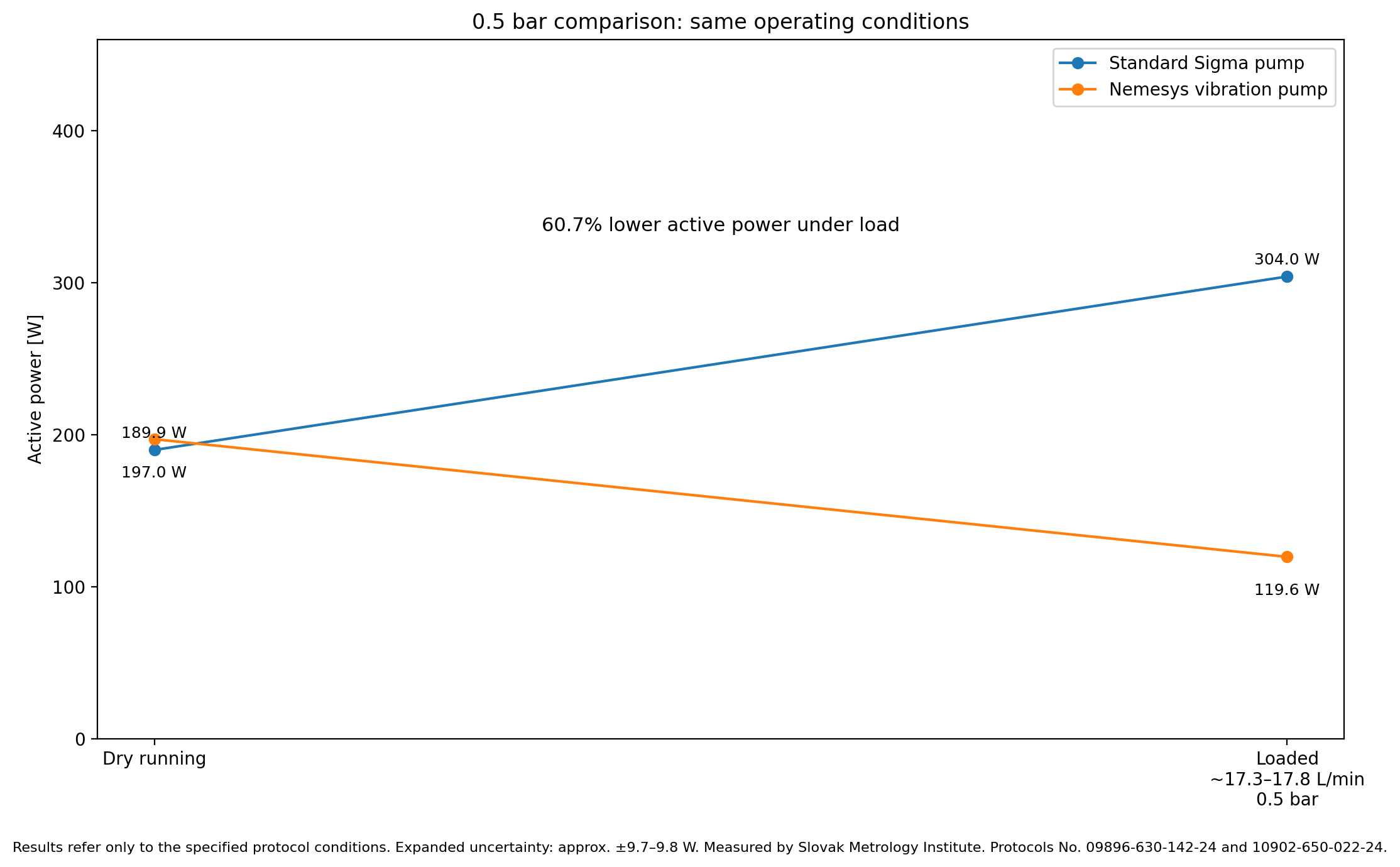
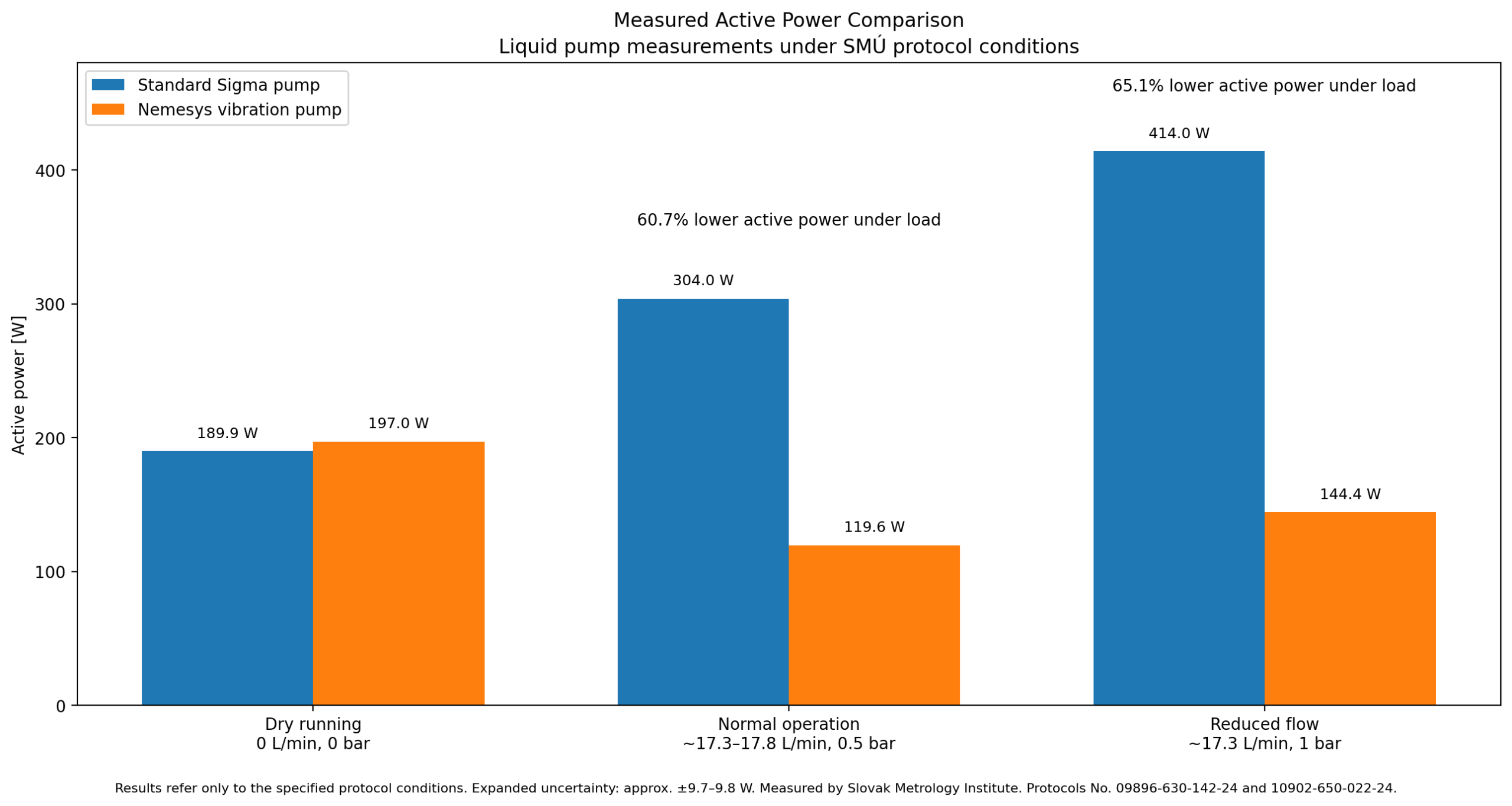
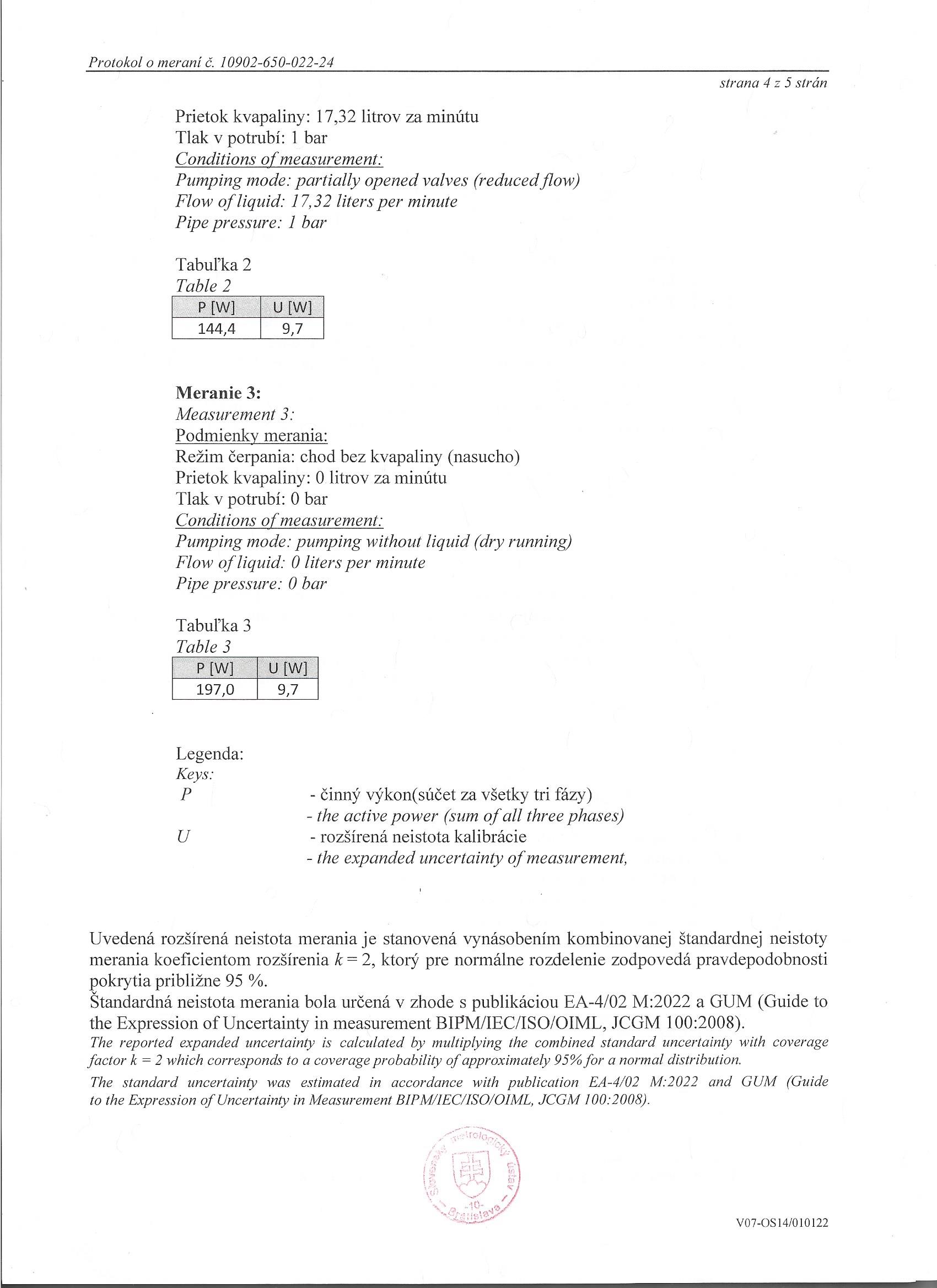
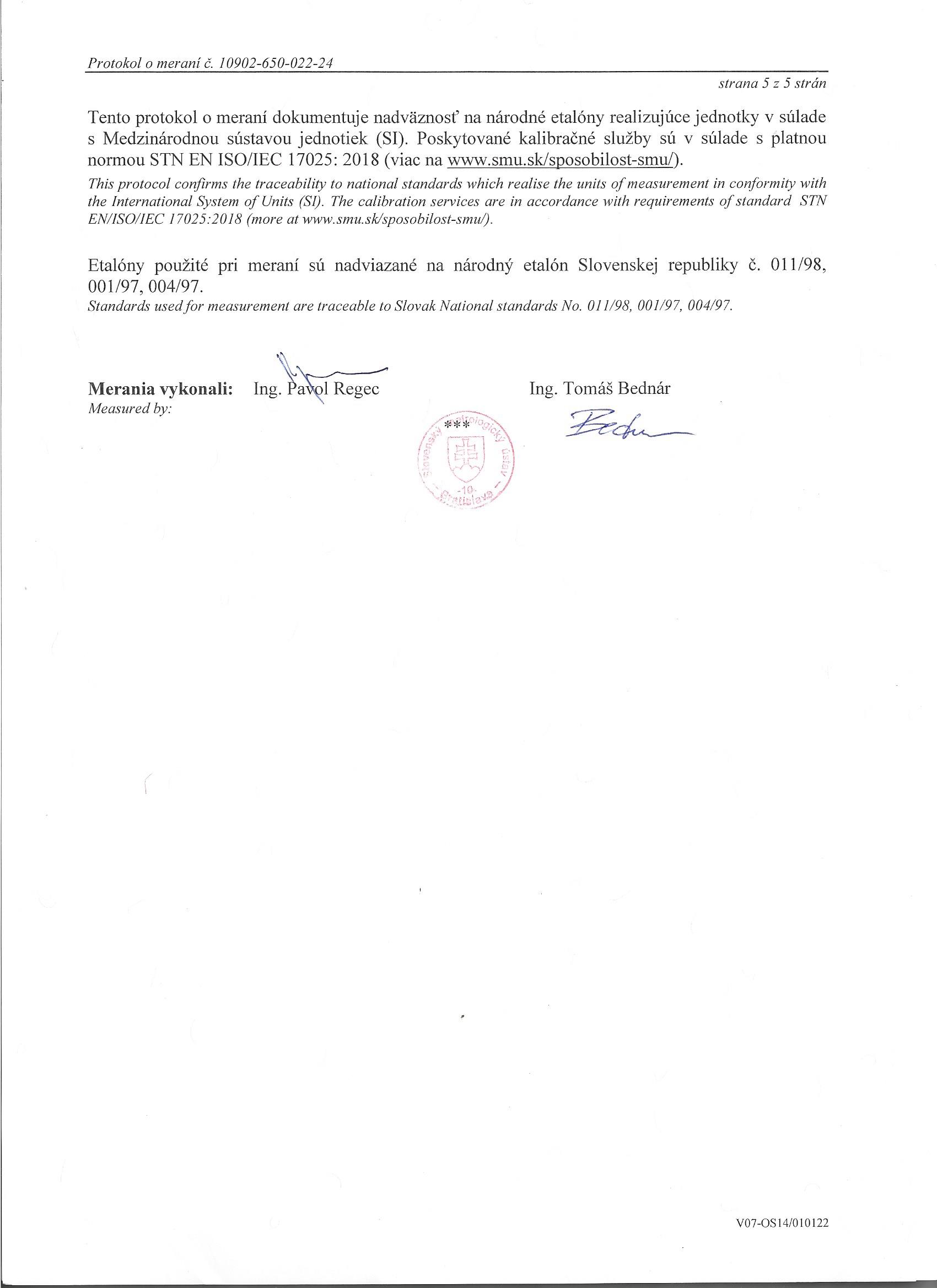
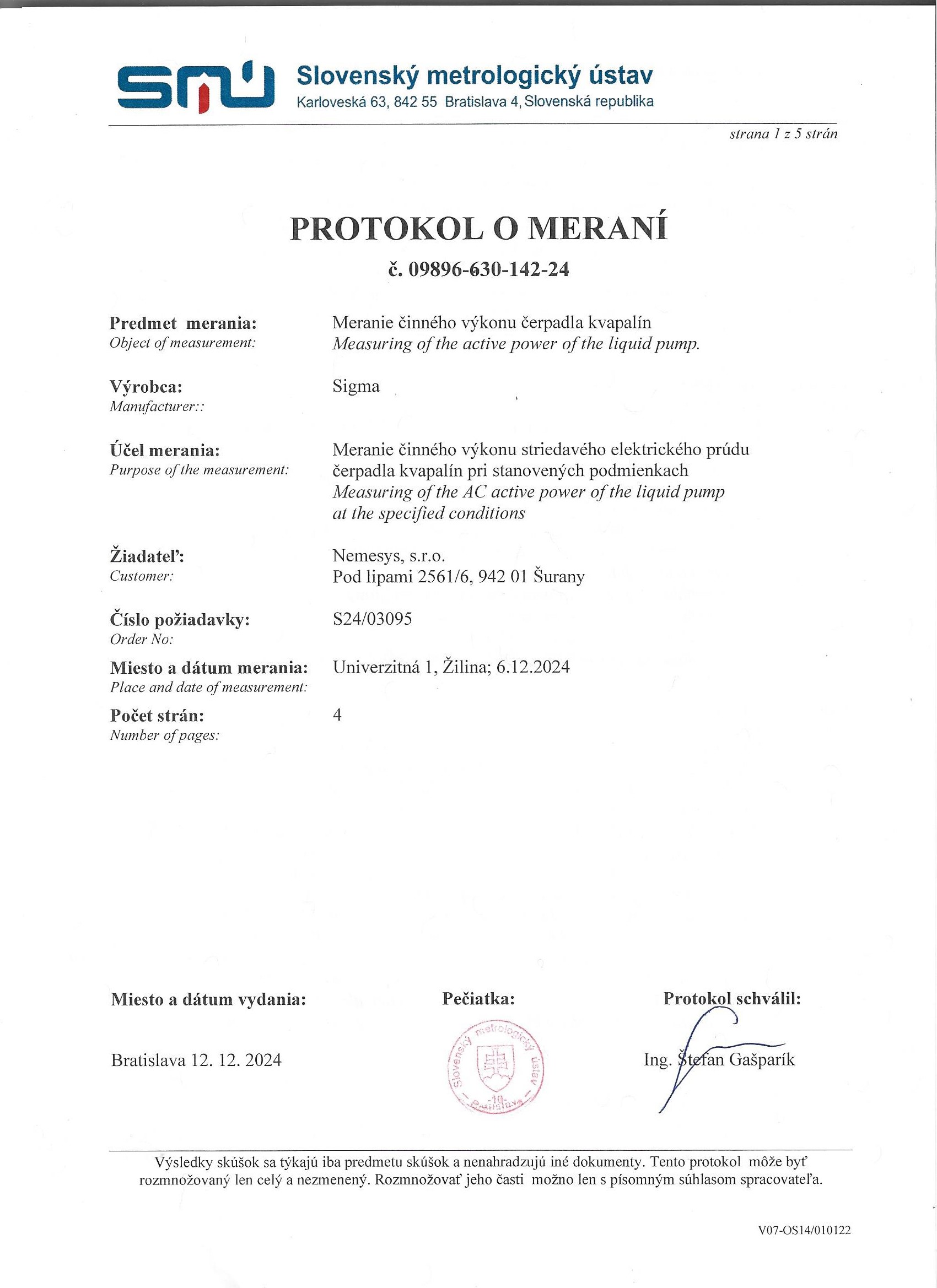
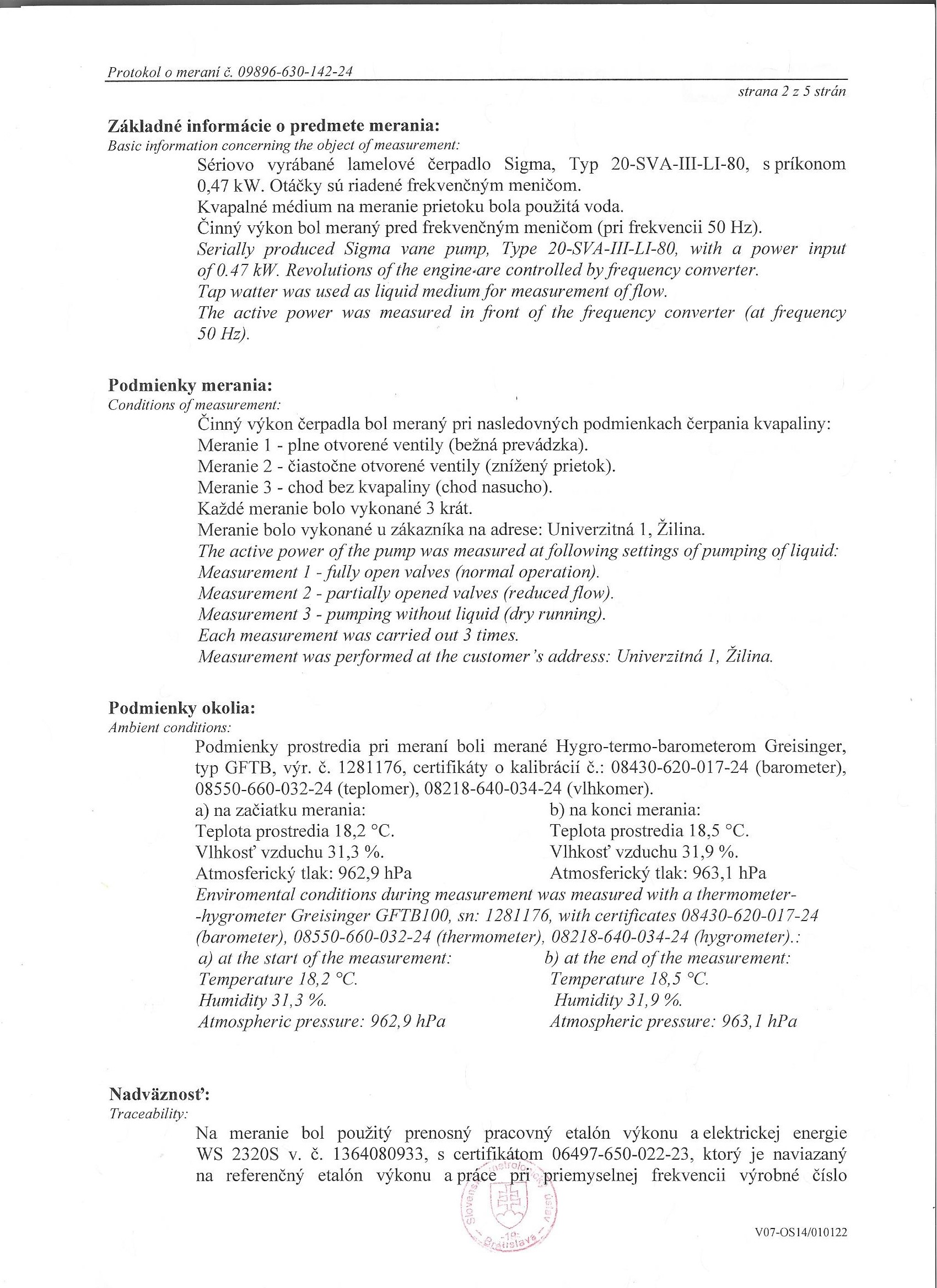
| Serial pump (Sigma) | Nemesys vibration pump | |
|---|---|---|
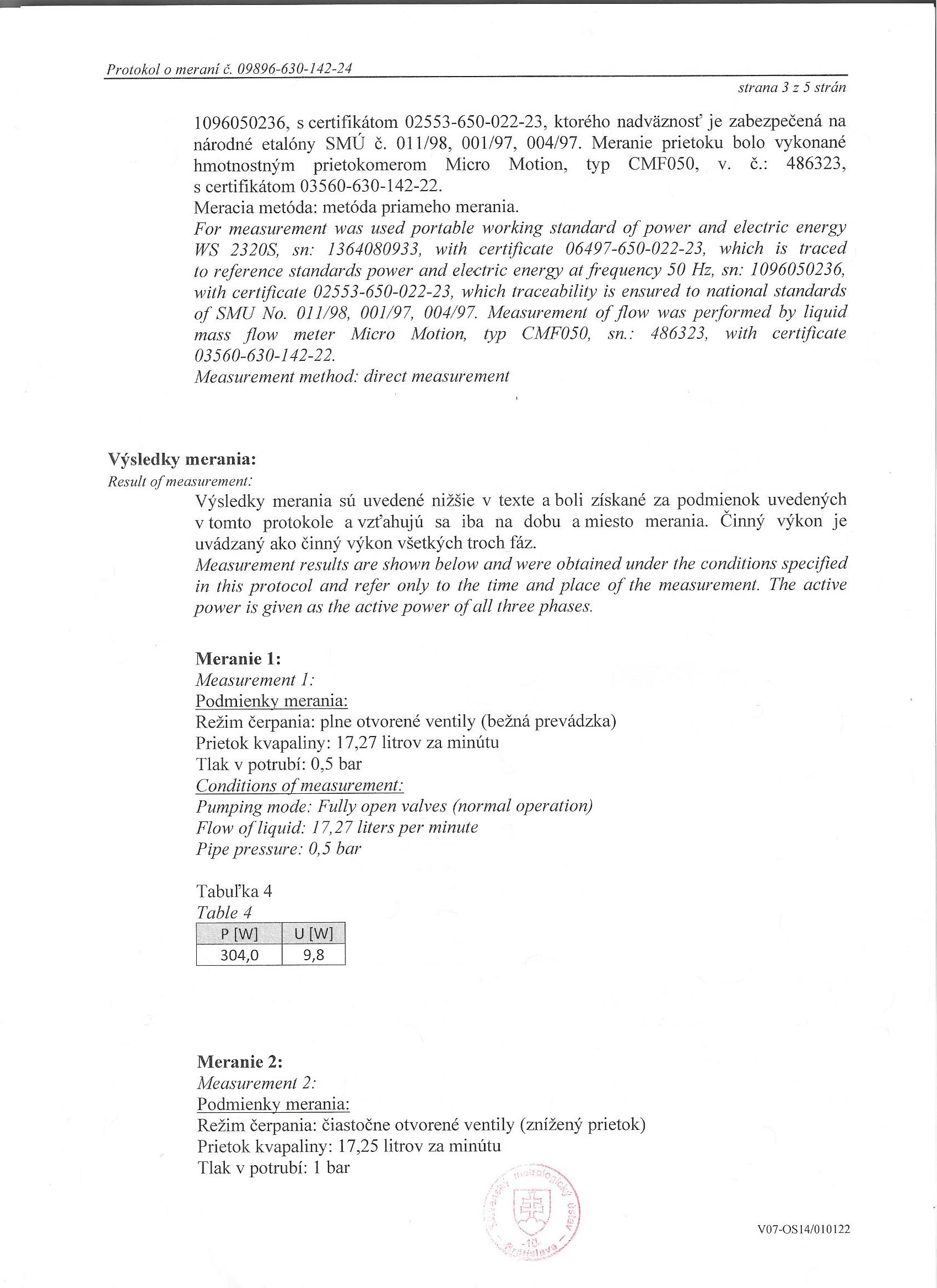
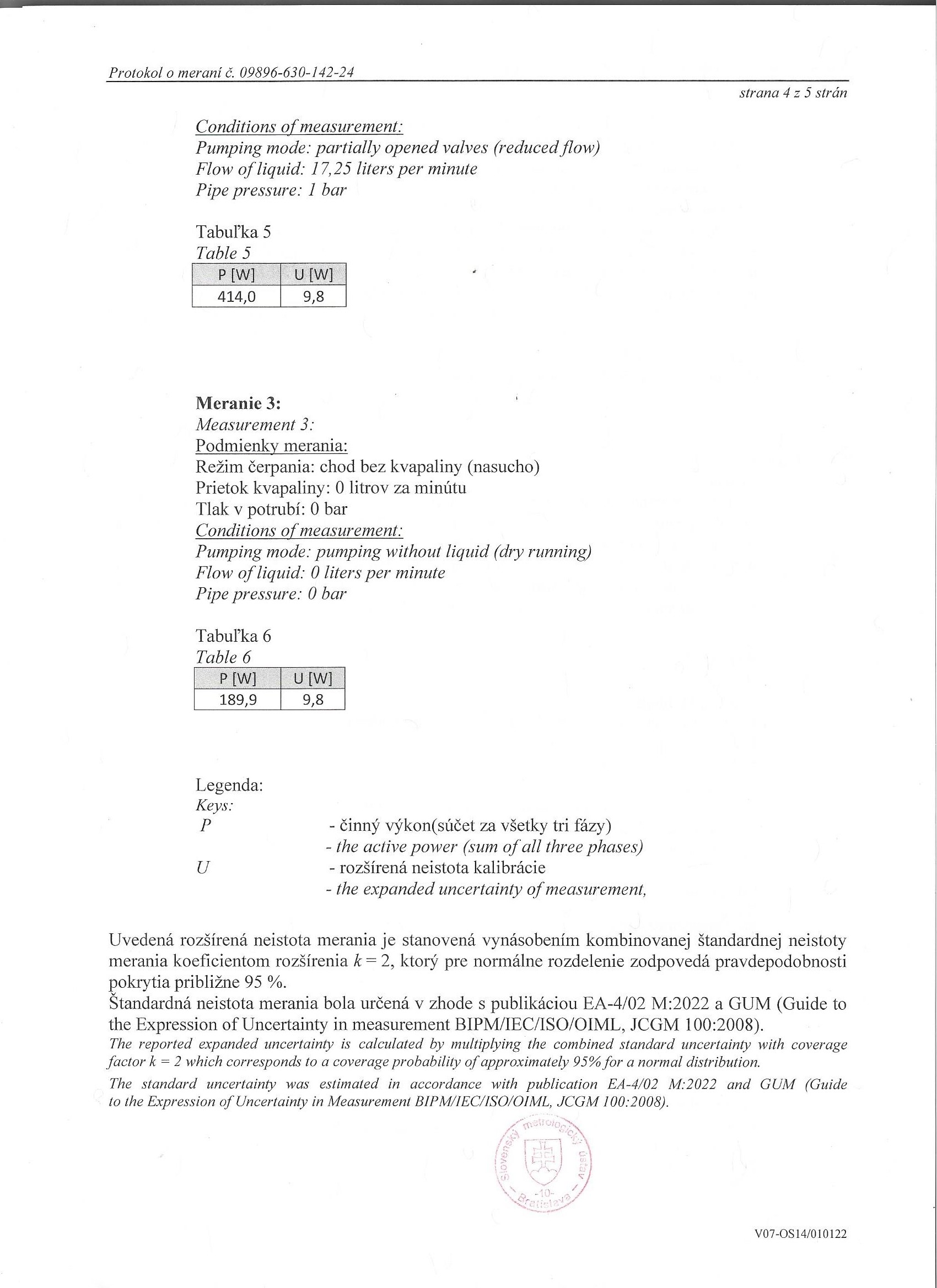
| No load: | 189,9 W | 197 W |
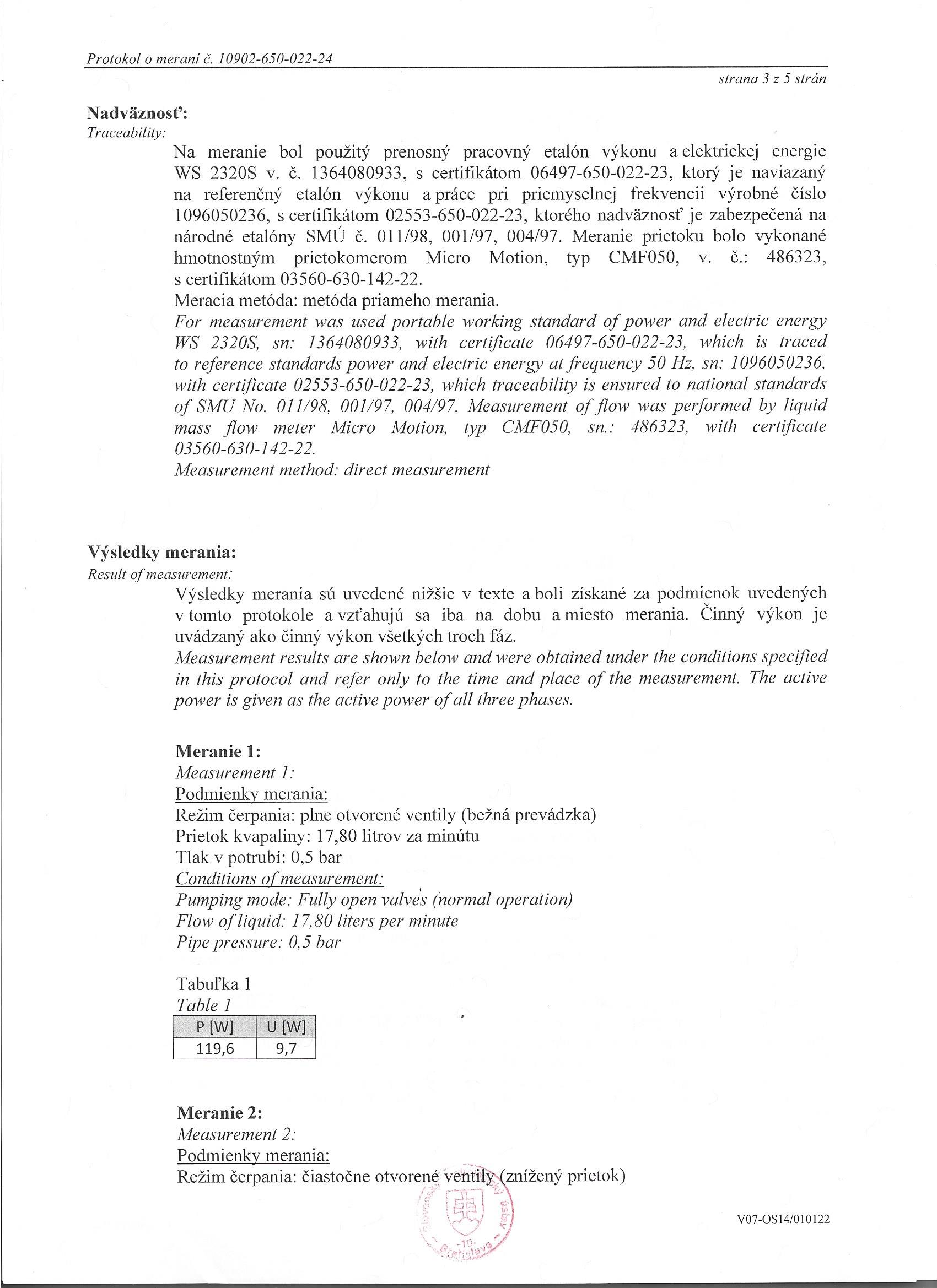
| Under load (~17.5 l/min, 0.5 bar): | 304 W | 119,6 W |
Under load, the power input of the serial pump increased, while the power input of the vibration pump decreased. The University of Žilina described this difference as significant and stated that it indicates higher efficiency.


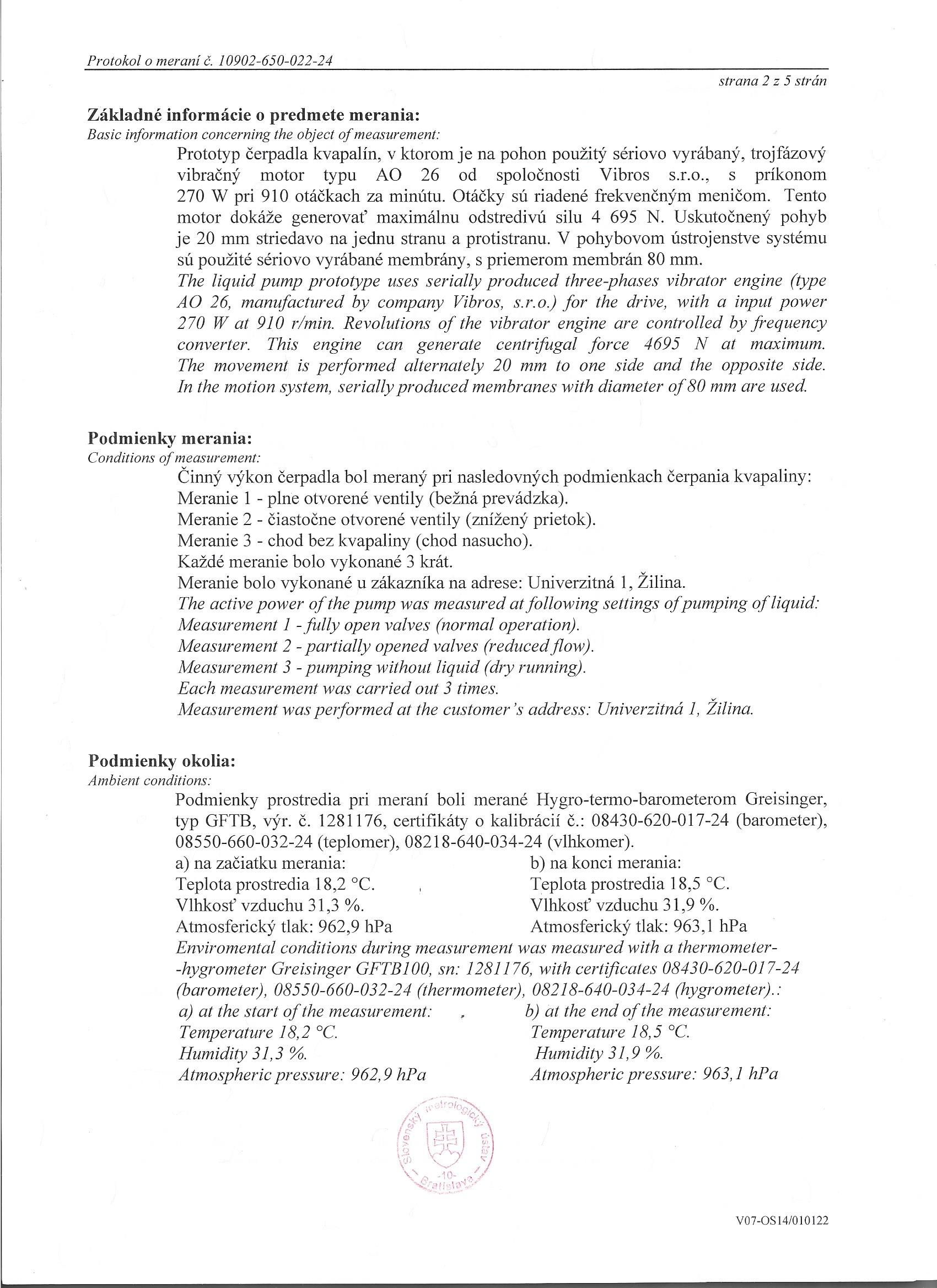
The vibration pump is driven by a vibration motor with rotating eccentric weights. The motion is transferred to the pumping section, which moves the liquid — a similar role is performed by a piston or membrane in conventional pumps, but the excitation principle is different.
The inventor, Pavol Nemeš, attributes the saving to the use of the effects of centrifugal force. This interpretation is subject to further technical and scientific examination. What is documented, however, are the measured values shown above.
© Nemesys s.r.o. All rights reserved.
Website by globalADVservice.